
Υγιεινή Κουζίνα για Απαλλαγή από Παράσιτα
Ανακαλύψτε τη δύναμη της φυτικής διατροφής και πώς μπορούν να σας βοηθήσουν τα φυσικά συστατικά να ενισχύσετε την υγεία σας με ένα ολιστικό πρόγραμμα διατροφής.
- Φυσικά συστατικά με αποδεδειγμένη αποτελεσματικότητα
- Εξειδικευμένες συνταγές για βέλτιστη διατροφή
- Πλήρες εκπαιδευτικό περιεχόμενο και οδηγίες

Γιατί Επιλέγουν οι Αναγνώστες το Parasitecleansemealplan
Παρέχουμε επιστημονικά τεκμηριωμένες πληροφορίες και πρακτικές οδηγίες για μια υγιεινή διατροφή που στηρίζει τη φυσική ικανότητα του σώματος να λειτουργήσει βέλτιστα.
Φυσικά Συστατικά
Χρησιμοποιούμε μόνο φυσικά υλικά και φυτικές πηγές που απαντώνται στη φύση και έχουν χρησιμοποιηθεί εδώ και αιώνες.
Εκπαιδευτικό Περιεχόμενο
Τα άρθρα μας γράφονται από έμπειρους συγγραφείς και παρέχουν βάθος γνώσης για κάθε πτυχή της υγιεινής διατροφής.
Πρακτικές Συνταγές
Εύκολες και νόστιμες συνταγές που μπορείτε να προετοιμάσετε στο σπίτι χρησιμοποιώντας καθημερινά υλικά.
Ολιστική Προσέγγιση
Εξετάζουμε το σώμα και τη διατροφή ως ένα ενιαίο σύστημα, προσφέροντας συμπληρωματικές πληροφορίες.
Πώς Λειτουργεί το Πρόγραμμά μας
Ακολουθήστε τα πέντε βασικά βήματα για να ξεκινήσετε το ταξίδι σας προς μια υγιέστερη διατροφή και ζωή.
Μάθετε τα Βασικά
Διαβάστε τα εισαγωγικά άρθρα για να κατανοήσετε τις αρχές της υγιεινής διατροφής.
Επιλέξτε Συνταγές
Περιηγηθείτε τη συλλογή μας και επιλέξτε συνταγές που σας ελκύουν.
Προμηθευτείτε Υλικά
Βρείτε τα φυσικά συστατικά από αξιόπιστες τοπικές πηγές.
Προετοιμάστε Γεύματα
Ακολουθήστε τις εύκολες οδηγίες για να δημιουργήσετε τα γεύματα.
Βιώστε Αποτελέσματα
Παρακολουθήστε τις αλλαγές και προσαρμόστε σύμφωνα με τις ανάγκες σας.
Κορυφαίες Διατροφικές Συμβουλές
Ανακαλύψτε τις καλύτερες πρακτικές και σημαντικές συμβουλές για τη διατροφική σας ναυσιπλοΐα.
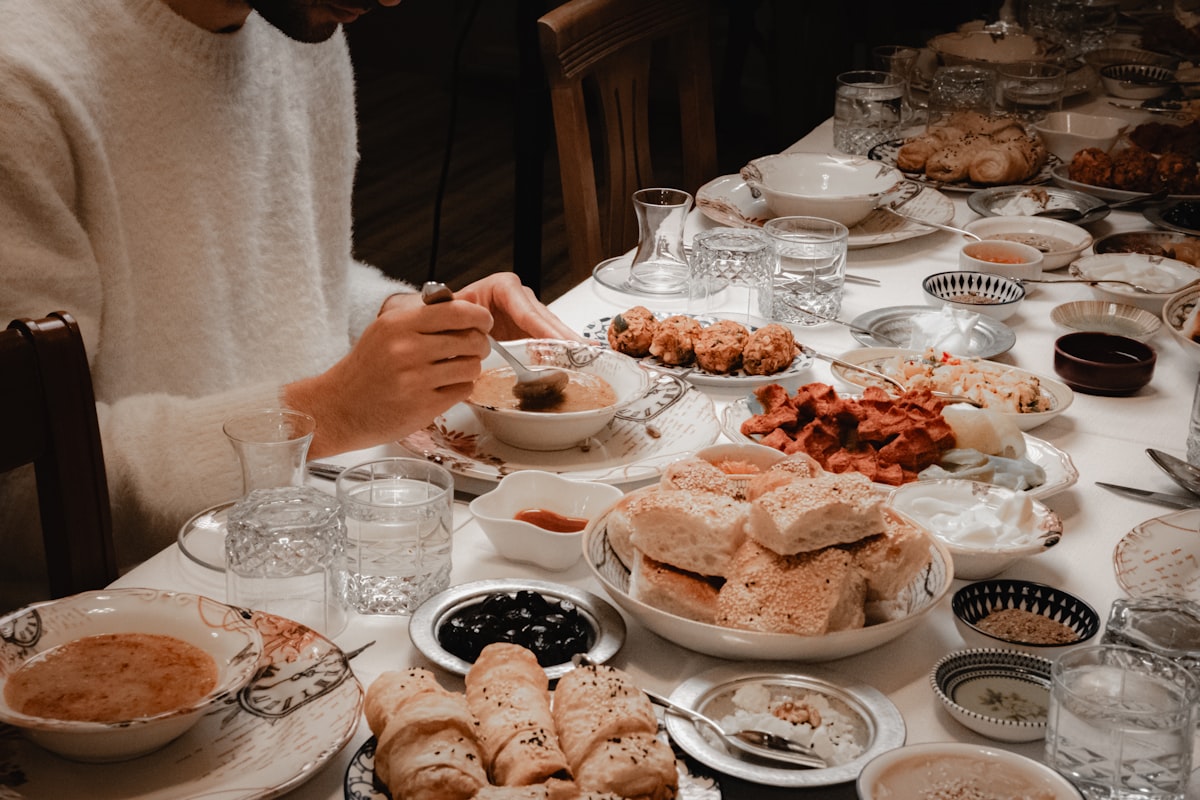
Επιλέξτε Οργανικά Προϊόντα
Τα οργανικά λαχανικά και φρούτα περιέχουν περισσότερα θρεπτικά συστατικά και λιγότερα κατάλοιπα φυτοφαρμάκων από τις συμβατικές καλλιέργειες.
Διαβάστε περισσότερα
Χρησιμοποιήστε Φυσικά Χόρτα
Τα μαγειρικά χόρτα όπως το σκόρδο, το τζίντζερ και η κορυφή έχουν χρησιμοποιηθεί στην παραδοσιακή διατροφή για αιώνες.Διαβάστε περισσότερα
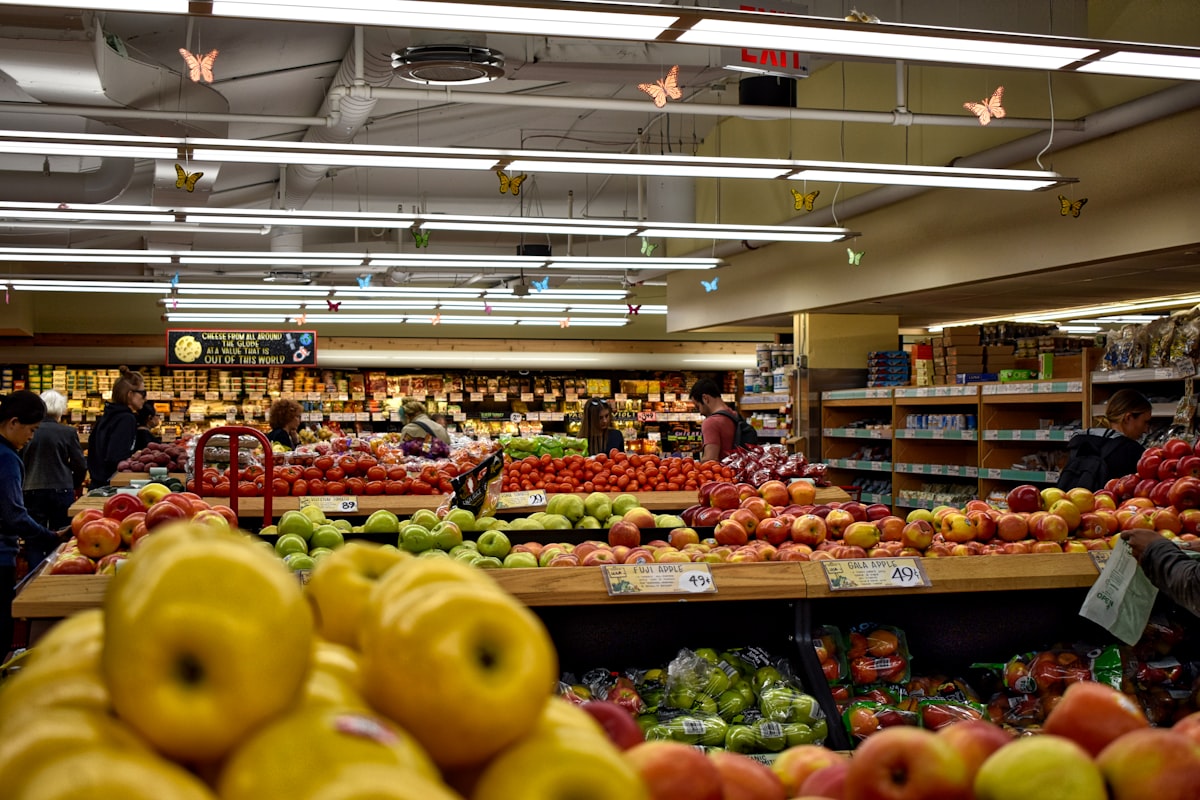
Πίνετε Άφθονο Νερό
Η σωστή ενυδάτωση είναι ζωτικής σημασίας για τη λειτουργία του πεπτικού συστήματος και τη συνολική υγεία του σώματος.
Διαβάστε περισσότερα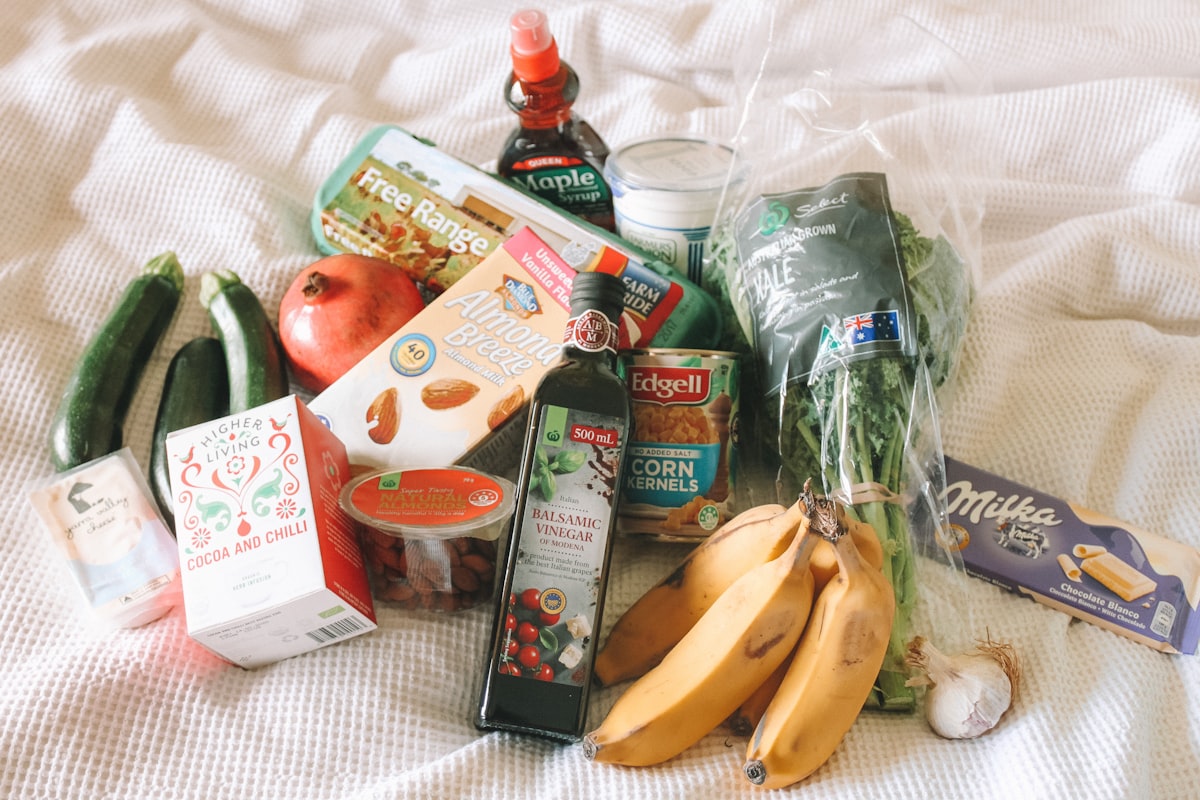
Συμπεριλάβετε Ίνες
Οι δυσλυτές ίνες από ολικές δημητριακές και λαχανικά υποστηρίζουν την υγεία του πεπτικού συστήματος.
Διαβάστε περισσότερα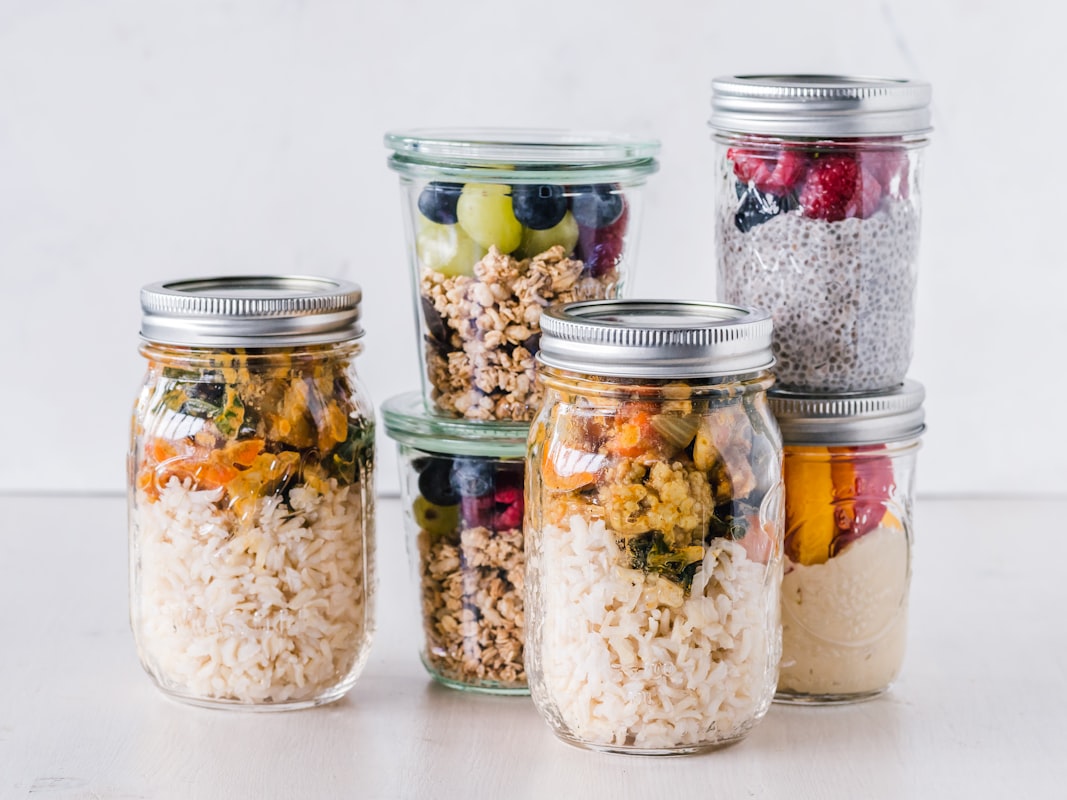
Κατανάλωση Φρούτων Εποχής
Τα φρούτα που είναι εποχιακά έχουν καλύτερη θρεπτική αξία και υποστηρίζουν τους φυσικούς ρυθμούς του σώματος.
Διαβάστε περισσότερα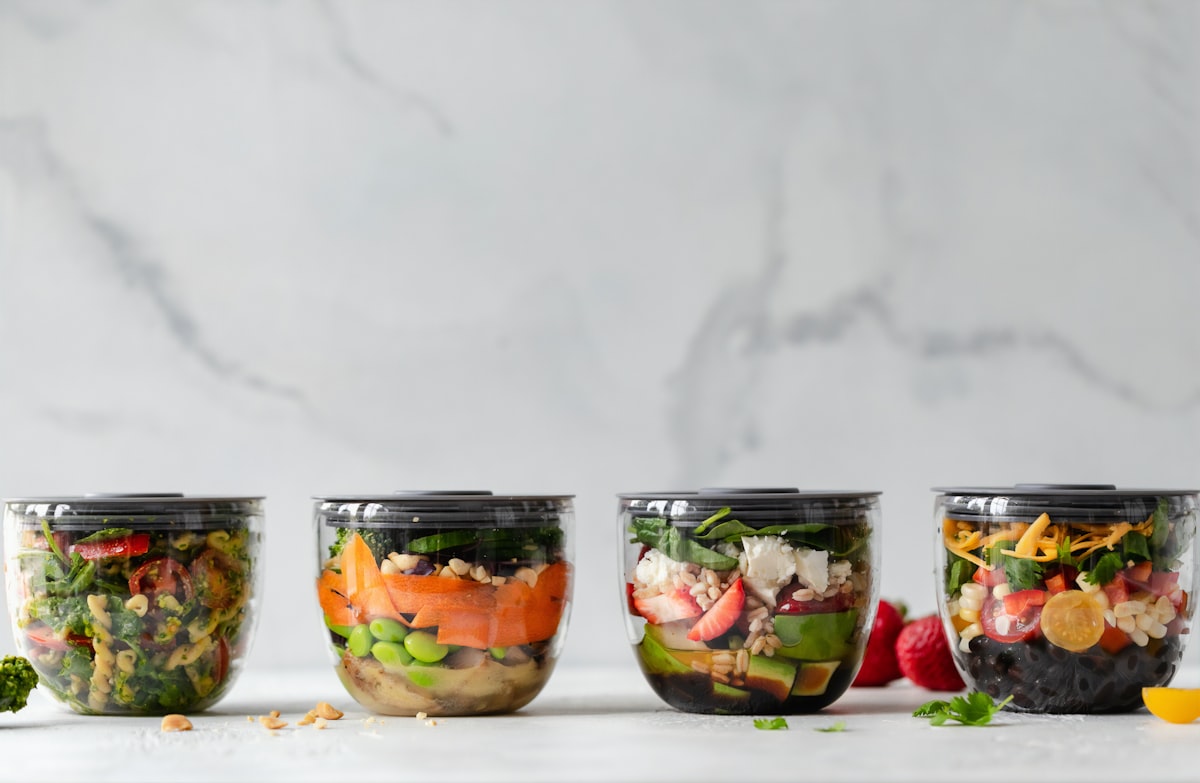
Διατηρήστε Ισορροπία
Μια ισορροπημένη διατροφή που περιλαμβάνει διάφορα τρόφιμα είναι η βάση της μακροπρόθεσμης υγείας.
Διαβάστε περισσότεραΤα Φυσικά Συστατικά που Κάνουν τη Διαφορά
Στο Parasitecleansemealplan, εστιάζουμε σε συστατικά που έχουν μελετηθεί για τις ιδιότητές τους και τη ζωτικότητα που παρέχουν.
-
Σκόρδο
Ένα ισχυρό φυτό που έχει χρησιμοποιηθεί στην παραδοσιακή διατροφή για να υποστηρίξει τη φυσική άμυνα του σώματος.
-
Τζίντζερ
Γνωστό για τις ζεστατιστικές του ιδιότητες, το τζίντζερ υποστηρίζει το πεπτικό σύστημα και τη γενική ευεξία.
-
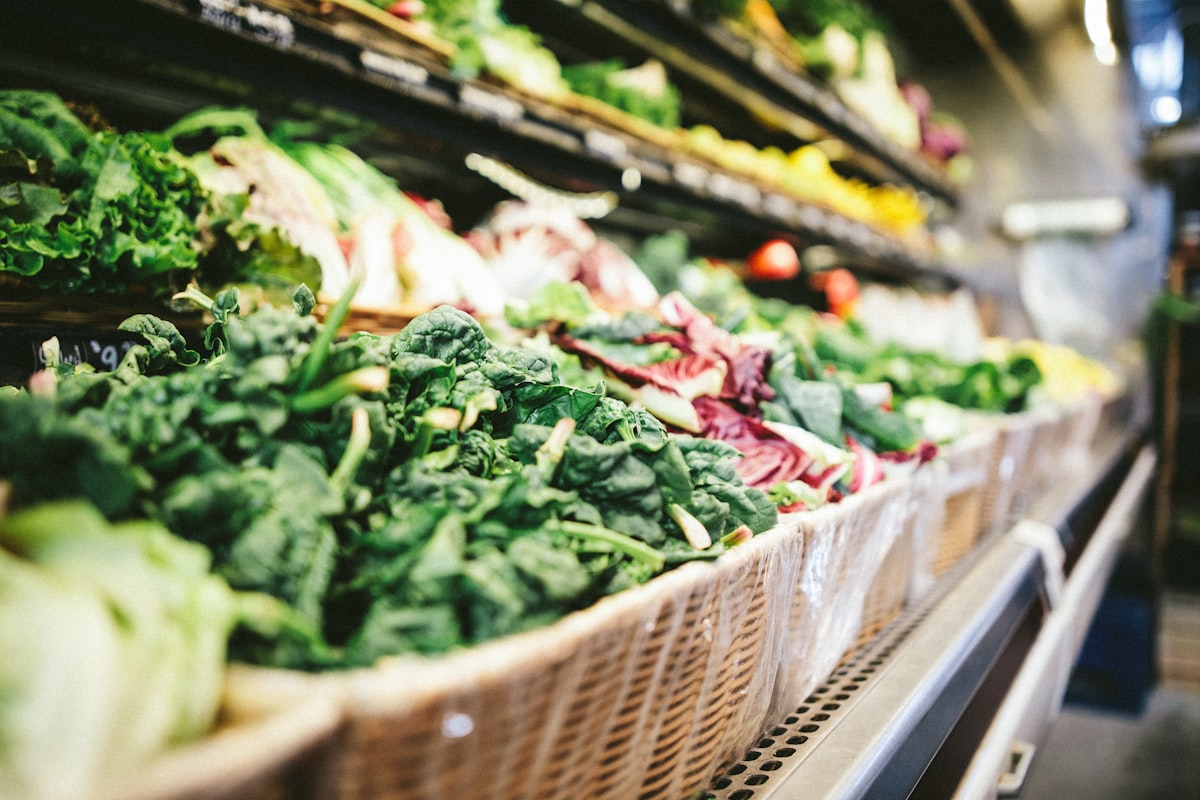
Πρασίνο Περιγών
Πλούσιο σε χλωροφύλλη, το πρασίνο περιγόν είναι ένα ζωιμό φυτό που υποστηρίζει τη φυσική ενέργεια.
-
Καρότα
Πλούσια σε βήτα-καροτένιο, τα καρότα υποστηρίζουν την όραση και τη γενική υγεία των ιστών.
Συχνές Ερωτήσεις
Βρείτε απαντήσεις στις ερωτήσεις που συχνά λαμβάνουμε από τους αναγνώστες μας.
Ποια είναι τα κύρια φυσικά συστατικά που προτείνετε;
Προτείνουμε συστατικά που έχουν μελετηθεί για τις ιδιότητές τους και τη διαθεσιμότητά τους. Συμπεριλαμβάνει σκόρδο, τζίντζερ, πρασίνο περιγόν, καρότα και πολλά άλλα. Κάθε συστατικό επιλέγεται για τα δυνάμει του να υποστηρίξει τη φυσική λειτουργία του σώματος.
Πόσο συχνά πρέπει να ακολουθώ το πρόγραμμα;
Η συχνότητα εξαρτάται από τις ατομικές σας ανάγκες και στόχους. Παρέχουμε εύκαμπτα πρότυπα που μπορείτε να προσαρμόσετε στο δικό σας πρόγραμμα. Συνιστούμε να ξεκινήσετε με τη σταδιακή ενσωμάτωση των συστατικών και των συνταγών στη δική σας κουζίνα.
Είναι ασφαλές για όλες τις ηλικίες;
Τα φυσικά συστατικά που προτείνουμε είναι γενικά ασφαλή και μπορούν να συμπεριληφθούν σε οικογενειακές γεύματα. Ωστόσο, συνιστούμε να ελέγξετε τυχόν ατομικές ευαισθησίες ή αλλεργίες πριν προσθέσετε νέα συστατικά.
Πού μπορώ να βρω τα φυσικά συστατικά;
Τα περισσότερα συστατικά διατίθενται σε τοπικές αγορές, βιολογικά κατάστηματα και διαδικτυακές πηγές. Παρέχουμε συμβουλές για τη σωστή προμήθευσία και την επιλογή ποιοτικών προϊόντων στο περιεχόμενό μας.
Πόσο χρόνο θα χρειαστεί για να δω αποτελέσματα;
Τα ατομικά αποτελέσματα ποικίλλουν. Πολλοί άνθρωποι παρατηρούν θετικές αλλαγές σε μερικές εβδομάδες, αλλά η συνέχεια και η ολιστική προσέγγιση είναι κλειδί για τη μακροπρόθεσμη υγεία.
Παρέχετε συνταγές χωρίς γλουτένη;
Ναι, πολλές από τις συνταγές μας είναι ενδεικτικές για διάφορες διατροφικές προτιμήσεις. Παρέχουμε εναλλακτικές λύσεις και προσαρμογές για διάφορες διατροφικές πρόσληψης και προτιμήσεις.
Ιστορίες Επιτυχίας Αναγνωστών
Δείτε πώς ο προγραμματισμός και η συνέχεια έχουν βοηθήσει τους αναγνώστες μας να υιοθετήσουν υγιεινότερες διατροφικές συνήθειες.
«Το πρόγραμμα Parasitecleansemealplan άλλαξε τον τρόπο που σκέφτομαι τη διατροφή. Οι συνταγές είναι εύκολες να ακολουθηθούν και τα φυσικά συστατικά κάνουν πραγματική διαφορά στη μου ενέργεια και ευεξίας. Το περιεχόμενο είναι πολύ κατατοπιστικό και γράφεται με σαφήνεια.»
Μαρία Παπαδοπούλου
Αθήνα, Ελλάδα
«Χρησιμοποιώ τις συνταγές τουλάχιστον τρεις φορές την εβδομάδα και η οικογένειά μου τις λατρεύει. Αγαπώ την έμφαση στα φυσικά συστατικά και η εκπαιδευτική πλευρά του ιστότοπου με βοήθησε να κατανοήσω γιατί είναι σημαντικά. Σίγουρα το προτείνω σε όλους τους φίλους μου.»
Νίκος Καλάτας
Θεσσαλονίκη, Ελλάδα
«Σαν κάποιος που προσπαθεί να βελτιώσει την υγεία της, βρήκα ότι το Parasitecleansemealplan παρέχει τις πληροφορίες που χρειάζομαι χωρίς την επαγγελματική γοητεία. Τα άρθρα είναι καλά έγγραφα και πολύ χρήσιμα. Ευχαριστώ για την εξαιρετική δουλειά!»
Ελένη Χαμογιάννη
Πάτρα, Ελλά δα
«Ήμουν σκεπτικός αρχικά, αλλά τα αποτελέσματα μιλούν μόνα τους. Η δέσμευση του Parasitecleansemealplan στο να παρέχει ακριβείς και έγκυρες πληροφορίες είναι φανερή. Συστήνω ανεπιφύλακτα!»
Γιάννης Παπαδόπουλος
Θεσσαλονίκη, Ελλάδα
Ξεκίνησε Τώρα τη Θεραπεία σου
Αποκτήστε πρόσβαση σε αποκλειστικά σχέδια διατροφής και ολοκληρωμένες οδηγίες καθαρισμού.